
What Is Hydroponics (Soilless Farming)? Home Setup Guide
How to do hydroponic farming at home? Learn soilless agriculture with system types, cost calculations, and a step-by-step setup guide.
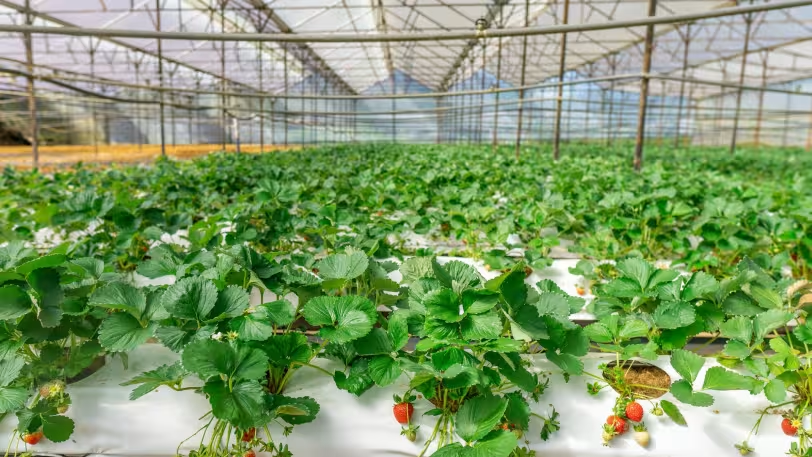
Hydroponic farming at home is a modern production method that makes it possible to grow plants without the need for soil. Interest in these systems is rapidly increasing due to factors such as rising food demand, water conservation, and adaptability to urban living. In this guide, you will learn what hydroponic farming is, which systems are used, and how to set up a system at home step by step.
What Is Hydroponics (Soilless Farming)?
Soilless farming is based on delivering the nutrients plants need directly to their roots through a water solution. In this method, water, air, and sometimes inert media are used instead of soil. Since plants receive nutrients directly, they grow faster and consume fewer resources.
Hydroponic farming is the most common of these systems. Plants are grown either entirely in water or in water-supported environments. This reduces water consumption, increases yield, and lowers the risk of disease.
Types of Hydroponic Systems
NFT (Nutrient Film Technique)
A thin flow of nutrient solution continuously circulates over the roots. It is generally preferred for leafy greens such as lettuce. It uses little water and is efficient.
DWC (Deep Water Culture)
Plant roots are constantly immersed in an oxygenated nutrient solution. It is popular among home users because it is easy to set up.
Aeroponics
Roots hang in the air and the nutrient solution is sprayed as a mist. It provides high efficiency but requires higher setup costs and technical expertise.
Aquaponics
Combines fish farming with plant production. Fish waste becomes nutrients for plants, while plants help clean the water.
How to Set Up Hydroponic Farming at Home
To set up hydroponic farming at home, follow these basic steps:
- Choose a suitable system (DWC is recommended for beginners)
- Install a water tank and air pump
- Prepare the nutrient solution
- Place the plant seedlings
- Adjust the light source (sunlight or LED)
- Regularly monitor pH and nutrient levels
Choosing the right equipment directly affects productivity during the setup process. In particular, maintaining proper light and oxygen balance is critical.
Cost Calculations and Required Equipment
The initial cost of a home system varies depending on the equipment used. The main expense items include:
- Water tank and containers
- Air pump and air stones
- Nutrient solutions
- LED grow lights
- pH meter
A system can be set up on a low budget at the beginner level. However, costs increase for more professional systems. In the long run, water savings and higher efficiency help balance the cost.
Which Plants Can Be Grown?
Hydroponic systems are especially suitable for fast-growing plants:
- Lettuce and leafy greens
- Tomatoes
- Strawberries
- Cucumbers
- Peppers
These crops can be grown with high yield in small spaces.
Advantages and Disadvantages
Advantages
- Lower water consumption
- Faster growth and higher yield
- No soil-borne diseases
- Ability to produce within urban areas
Disadvantages
- Initial setup cost
- Requires technical knowledge
- Risk in case of system failures
Conclusion
Hydroponic farming at home offers a powerful alternative for sustainable food production. With the right system and regular maintenance, it is possible to achieve high yields in small spaces. With growing interest, this method continues to stand out among the urban agriculture solutions of the future.


